2025 - ongoing
Participatory workshops
Created by Gloria López Cleries and Sive Hamilton Helle
Speculative Practices is a format developed by Sive Hamilton Helle and Gloria López Cleries. It uses speculative writing as a critical and creative method to examine how language, metaphors, and narratives shape our understanding of technology, progress, and the environment. Through collective writing exercises and guided conversations, participants explore the power of storytelling to question dominant ideologies and imagine alternative futures. Drawing inspiration from writers such as Ursula K. Le Guin, Octavia Butler, and Donna Haraway, the exercises emphasise speculation not as prediction but as a way to open the future, making space for other possible worlds.
Prácticas Especulativas es un formato desarrollado por Sive Hamilton Helle y Gloria López Cleries. Utiliza la escritura especulativa como método crítico y creativo para examinar cómo el lenguaje, las metáforas y las narrativas dan forma a nuestra comprensión de la tecnología, el progreso y el medio ambiente. A través de ejercicios de escritura colectiva y conversaciones guiadas, los participantes exploran el poder de la narración para cuestionar las ideologías dominantes e imaginar futuros alternativos. Inspirándose en escritoras como Ursula K. Le Guin, Octavia Butler y Donna Haraway, los ejercicios hacen hincapié en la especulación no como predicción, sino como una forma de abrir el futuro, creando espacio para otros mundos posibles.

Speculative Imagination Workshop 1
14th, 15th, 16th August, 2025, Luleå Konsthallen
In collaboration with RISE Research Institutes of Sweden, KKV Konstnärernas Kollektivverkstad Luleå, Sunderby Folk High School and Luleå Konsthallen Kulturens hus, with support from HDK-Valand, University of Gothenburg.
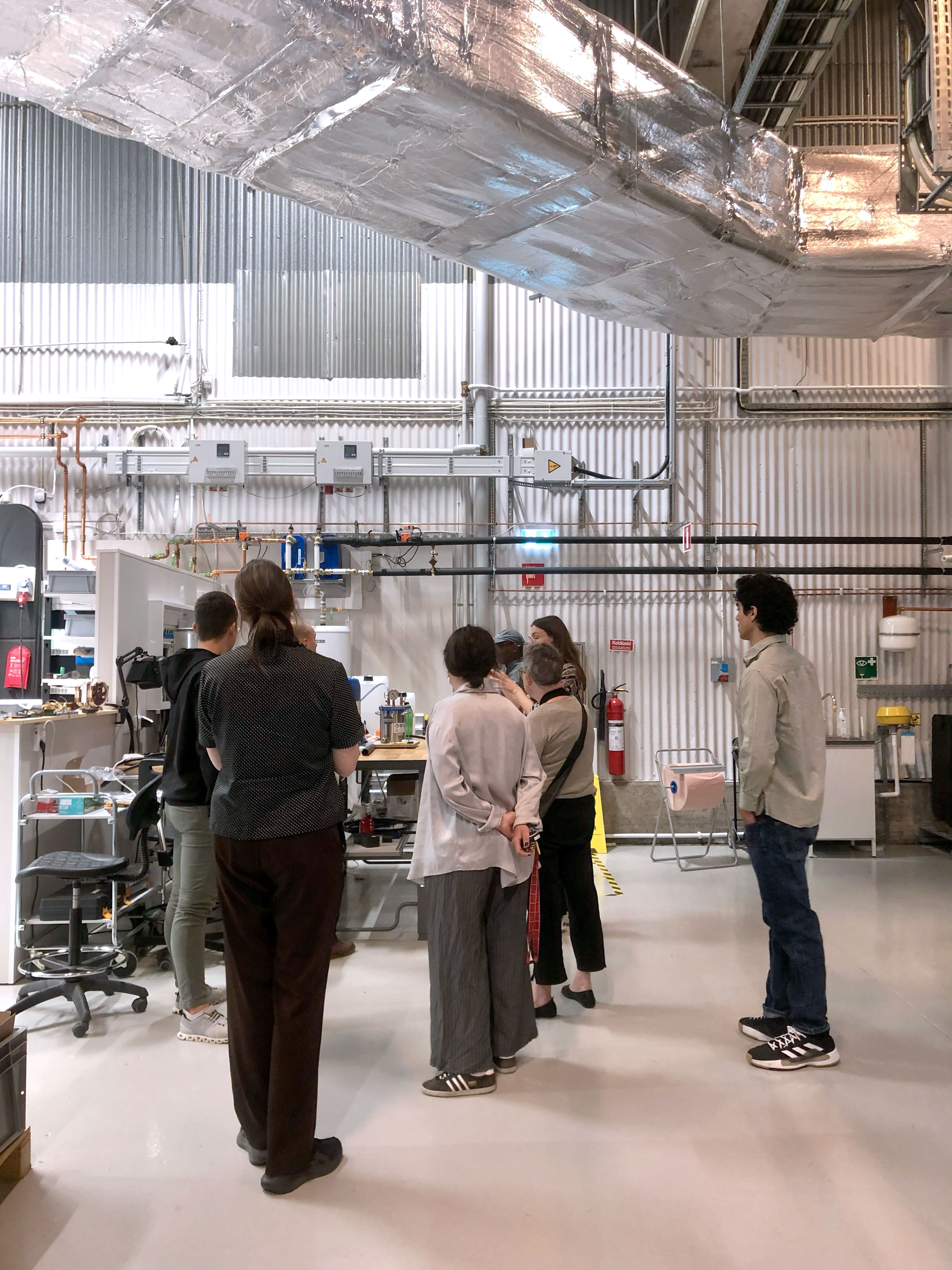
The first iteration workshop focused on how metaphors and communicative strategies make data centres visible or invisible to the public. Over three days, participants visited RISE (Research Institutes of Sweden), observed data centre infrastructures, and analysed the language surrounding the so-called “green transition.”
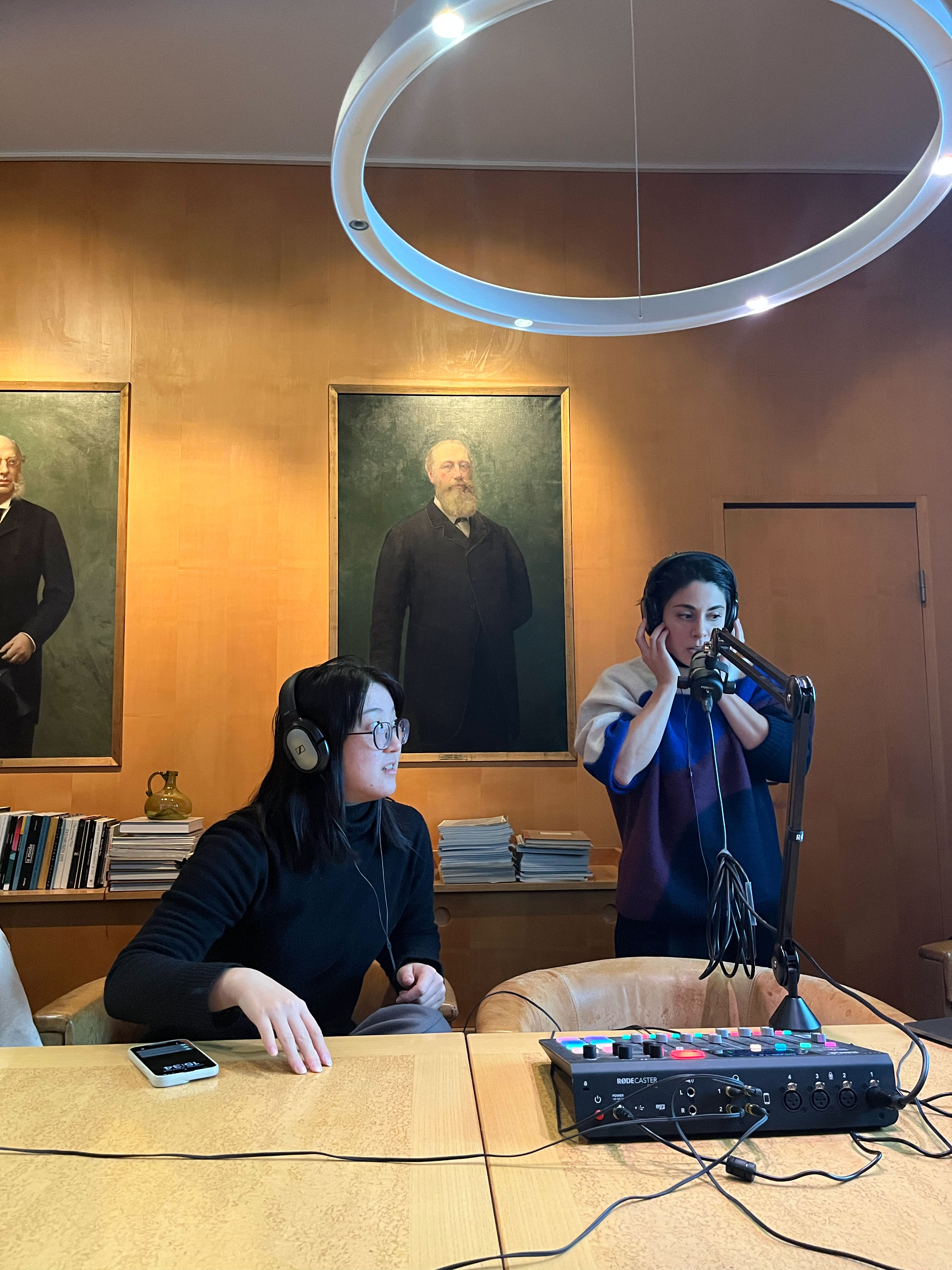
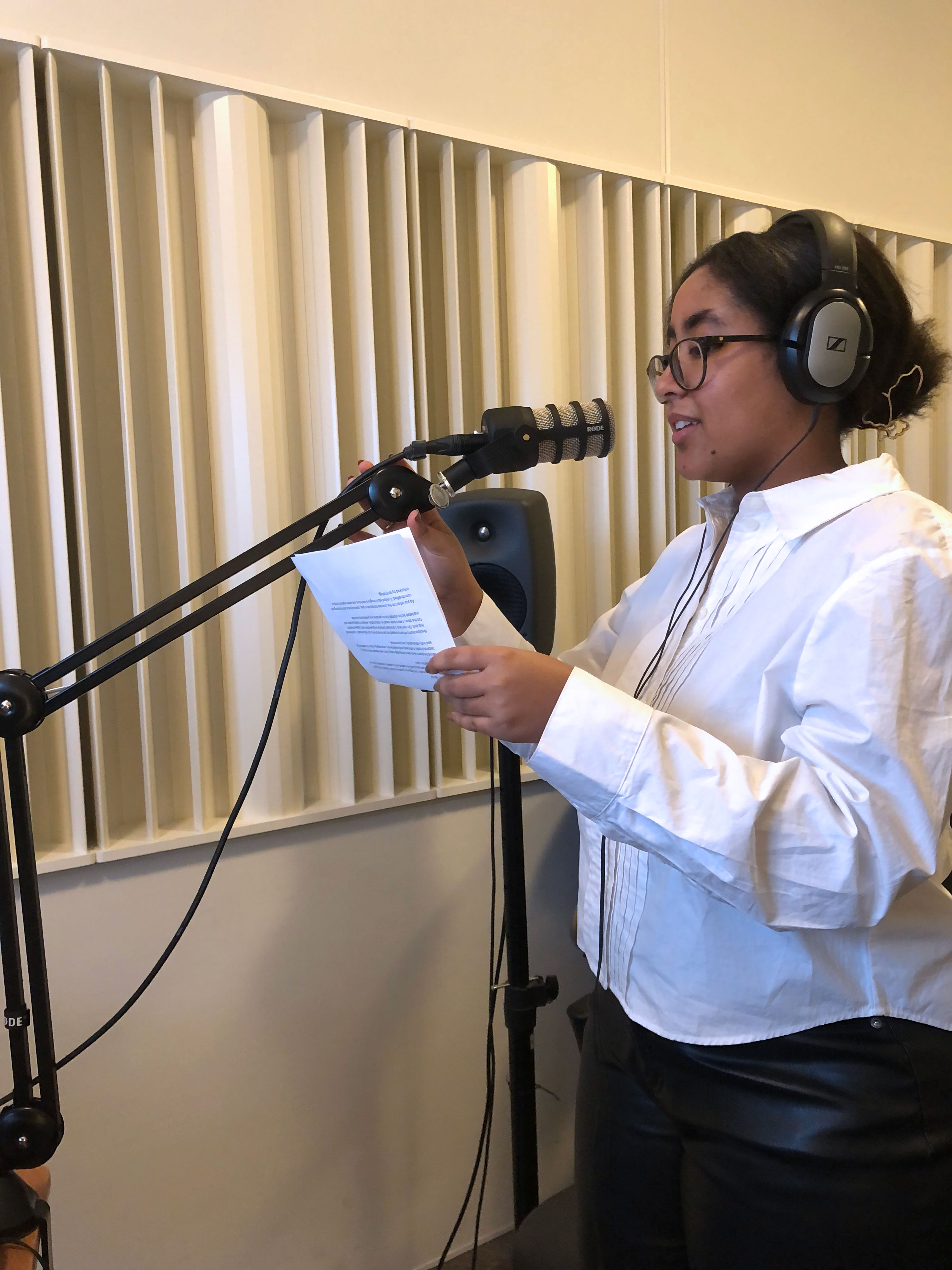
Through speculative writing exercises, participants created scripts that reinterpret the narratives of technological progress. These texts were later recorded as sound pieces and presented in the exhibition. The workshop invited participants to think differently about the digital systems that underpin our everyday lives and to imagine new relationships with technology beyond efficiency and growth.
14th, 15th, 16th August, 2025, Luleå Konsthallen
In collaboration with RISE Research Institutes of Sweden, KKV Konstnärernas Kollektivverkstad Luleå, Sunderby Folk High School and Luleå Konsthallen Kulturens hus, with support from HDK-Valand, University of Gothenburg.
The first iteration workshop focused on how metaphors and communicative strategies make data centres visible or invisible to the public. Over three days, participants visited RISE (Research Institutes of Sweden), observed data centre infrastructures, and analysed the language surrounding the so-called “green transition.”
Through speculative writing exercises, participants created scripts that reinterpret the narratives of technological progress. These texts were later recorded as sound pieces and presented in the exhibition. The workshop invited participants to think differently about the digital systems that underpin our everyday lives and to imagine new relationships with technology beyond efficiency and growth.
Taller de imaginación especulativa 1
14, 15 y 16 de agosto de 2025, Luleå Konsthallen
En colaboración con RISE Research Institutes of Sweden, KKV Konstnärernas Kollektivverkstad Luleå, Sunderby Folk High School y Luleå Konsthallen Kulturens hus, con el apoyo de HDK-Valand, Universidad de Gotemburgo.
La primera edición del taller se centró en cómo las metáforas y las estrategias comunicativas hacen que los centros de datos sean visibles o invisibles para el público. Durante tres días, los participantes visitaron RISE (Institutos de Investigación de Suecia), observaron las infraestructuras de los centros de datos y analizaron el lenguaje que rodea la llamada «transición verde».
A través de ejercicios de escritura especulativa, los participantes crearon guiones que reinterpretan las narrativas del progreso tecnológico. Estos textos se grabaron posteriormente como piezas sonoras y se presentaron en la exposición. El taller invitó a los participantes a pensar de forma diferente sobre los sistemas digitales que sustentan nuestra vida cotidiana y a imaginar nuevas relaciones con la tecnología más allá de la eficiencia y el crecimiento.
14, 15 y 16 de agosto de 2025, Luleå Konsthallen
En colaboración con RISE Research Institutes of Sweden, KKV Konstnärernas Kollektivverkstad Luleå, Sunderby Folk High School y Luleå Konsthallen Kulturens hus, con el apoyo de HDK-Valand, Universidad de Gotemburgo.
La primera edición del taller se centró en cómo las metáforas y las estrategias comunicativas hacen que los centros de datos sean visibles o invisibles para el público. Durante tres días, los participantes visitaron RISE (Institutos de Investigación de Suecia), observaron las infraestructuras de los centros de datos y analizaron el lenguaje que rodea la llamada «transición verde».
A través de ejercicios de escritura especulativa, los participantes crearon guiones que reinterpretan las narrativas del progreso tecnológico. Estos textos se grabaron posteriormente como piezas sonoras y se presentaron en la exposición. El taller invitó a los participantes a pensar de forma diferente sobre los sistemas digitales que sustentan nuestra vida cotidiana y a imaginar nuevas relaciones con la tecnología más allá de la eficiencia y el crecimiento.


Naturens Hämnd (Nature’s Revenge)
00:03:36 min (Swedish)
Text: Eva-Britt Forsberg and Egil Elenius
Voice: Eva-Britt Forsberg
World War 3
00:03:34 min (English)
Text: Sebastian Flórez and Mohamed Elnourani
Voice: Sebastian Flórez
The Last Day on the Green Colony
00:06:57 min (English)
Text: Karin Erixon & Gloria López Cleries
Voice: Jonathan Mcmurry
Iteration 2 — Mining the Future
Speculative Imagination Workshop 218th October, Luleå Konsthallen
The second iteration examined the language of the mining industry in Sweden, focusing on advertising campaigns such as Den Svenska Gruvan by Åkerstam and other campaings by LKAB. Participants analysed how corporate storytelling shapes public perception of extractive industries, framing mining as essential for the green transition and national progress.
The workshop’s goals were to identify the myths and ideologies embedded in corporate narratives, to understand how emotion and storytelling legitimise technological and industrial development, and to use speculative writing as a method for rewriting these narratives. After analysing the campaigns on the media (Tik Tok, newspapers, websites), participants were invited to “play” with the language, bending, remixing, and transforming it to imagine alternative storytelling.
The workshop’s goals were to identify the myths and ideologies embedded in corporate narratives, to understand how emotion and storytelling legitimise technological and industrial development, and to use speculative writing as a method for rewriting these narratives. After analysing the campaigns on the media (Tik Tok, newspapers, websites), participants were invited to “play” with the language, bending, remixing, and transforming it to imagine alternative storytelling.
La segunda iteración examinó el lenguaje de la industria minera en Suecia, centrándose en campañas publicitarias como Den Svenska Gruvan, de Åkerstam, y otras campañas de LKAB. Los participantes analizaron cómo la narrativa corporativa moldea la percepción pública de las industrias extractivas, presentando la minería como esencial para la transición ecológica y el progreso nacional.
Los objetivos del taller eran identificar los mitos y las ideologías implícitos en las narrativas corporativas, comprender cómo las emociones y la narrativa legitiman el desarrollo tecnológico e industrial, y utilizar la escritura especulativa como método para reescribir estas narrativas. Tras analizar las campañas en los medios de comunicación (Tik Tok, periódicos, páginas web), se invitó a los participantes a «jugar» con el lenguaje, modificándolo, remezclándolo y transformándolo para imaginar narrativas alternativas.
Los objetivos del taller eran identificar los mitos y las ideologías implícitos en las narrativas corporativas, comprender cómo las emociones y la narrativa legitiman el desarrollo tecnológico e industrial, y utilizar la escritura especulativa como método para reescribir estas narrativas. Tras analizar las campañas en los medios de comunicación (Tik Tok, periódicos, páginas web), se invitó a los participantes a «jugar» con el lenguaje, modificándolo, remezclándolo y transformándolo para imaginar narrativas alternativas.

2025
Video advertisement (Sound and colour, 00:01:10)
In collaboration with an advertisement team led by Zane Miller
Creative Director: Zane Miller
Creatives: Julie Koong, Claire Manganiello
Editor: Eric Larson
Sound Design: Henry Butler
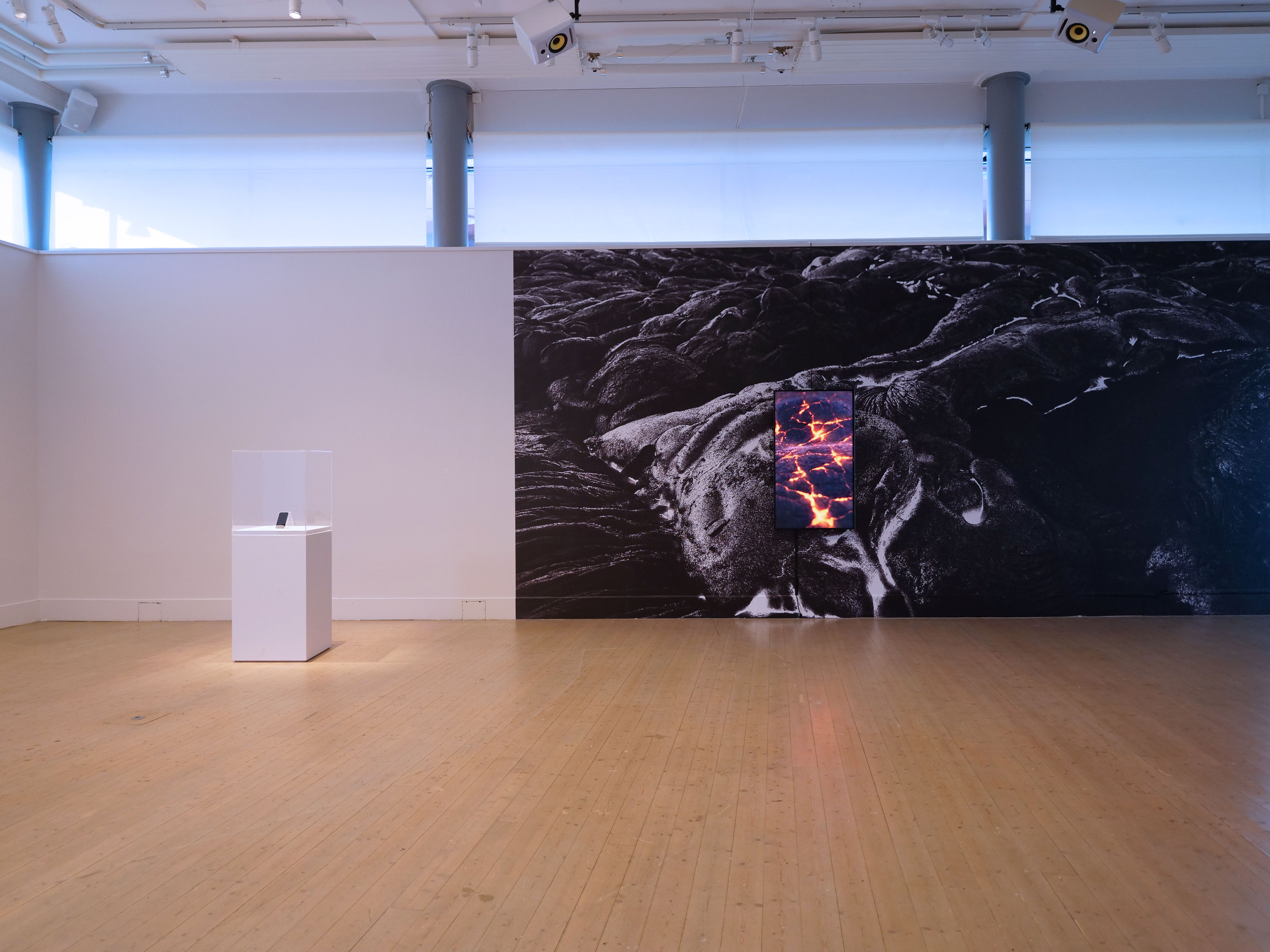

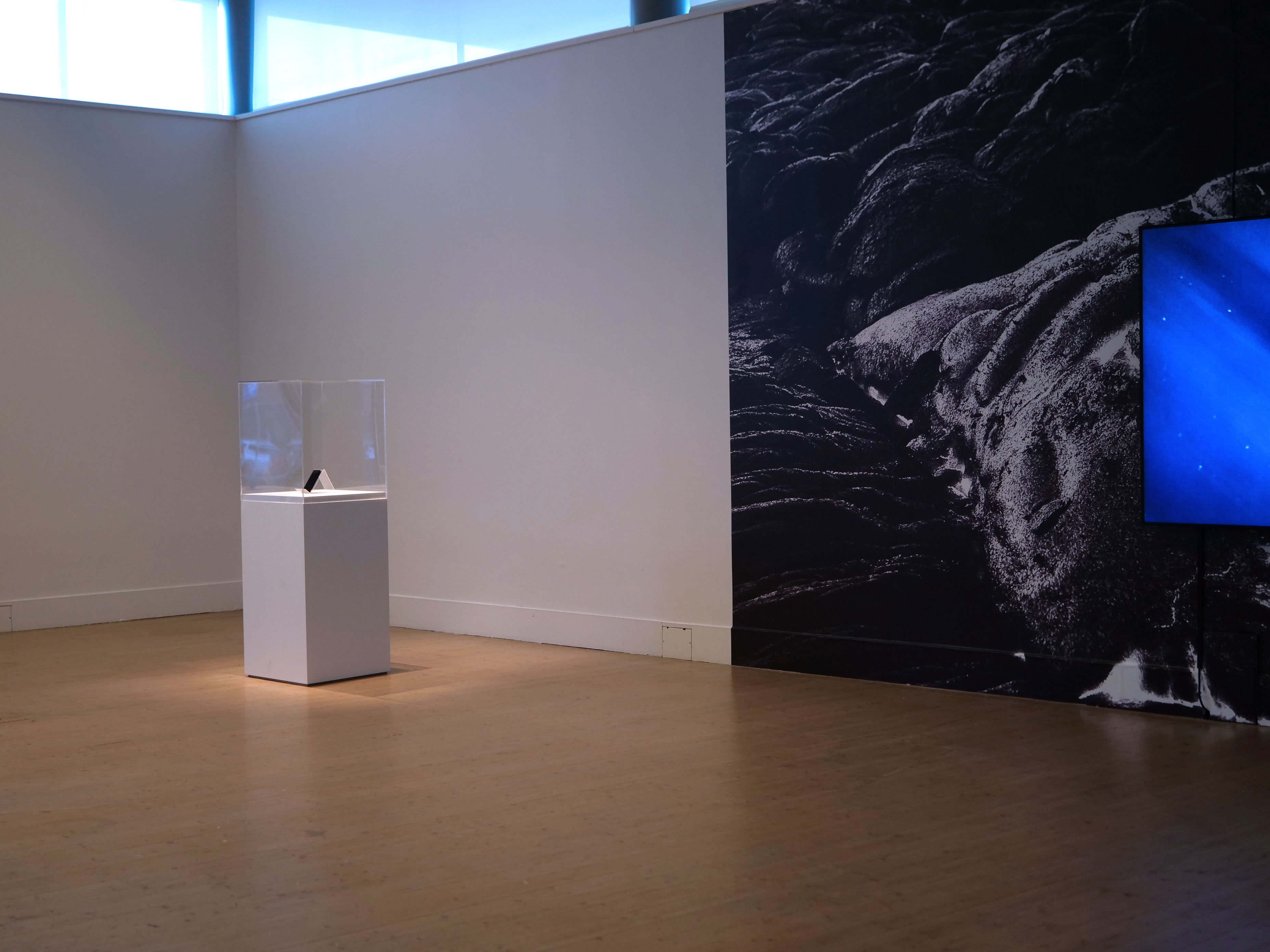
Tetzcal, the Ad (2025) is the result of a long term collaboration with the creative director Zane Miller and his team in Brooklyn, who have created a hyperbolic commercial that mimics Silicon Valley’s advertising language. The installation centres on a hand-carved obsidian sculpture, shaped like an iPhone 7, which reimagines the smartphone as a techno-mystical artefact, a tool of vision and prophecy that evokes the symbolism of Aztec divinatory mirrors.
The speculative advertisement reproduces the techno-solutionist rhetoric of the tech industry, presenting the obsidian sculpture as an answer to a possible lithium crisis. In doing so, it lays bare how big tech marketing sublimates ecological devastation into sleek visions of spiritual progress. By embedding sacred obsidian within the sculptural logic of the smartphone, my intention is to materialise the hidden entanglements of techno-capitalist spirituality and extractive violence. The obsidian device does not disguise its origins; it amplifies them. Tetzcal, the Ad exposes the paradox of technological devices celebrated for innovation, progress and connectivity yet materially rooted in violent and colonial histories of exploitation and extraction.
The speculative advertisement reproduces the techno-solutionist rhetoric of the tech industry, presenting the obsidian sculpture as an answer to a possible lithium crisis. In doing so, it lays bare how big tech marketing sublimates ecological devastation into sleek visions of spiritual progress. By embedding sacred obsidian within the sculptural logic of the smartphone, my intention is to materialise the hidden entanglements of techno-capitalist spirituality and extractive violence. The obsidian device does not disguise its origins; it amplifies them. Tetzcal, the Ad exposes the paradox of technological devices celebrated for innovation, progress and connectivity yet materially rooted in violent and colonial histories of exploitation and extraction.
Tetzcal, el anuncio (2025) es el resultado de una larga colaboración con el director creativo Zane Miller y su equipo de Brooklyn, que han creado un anuncio hiperbólico que imita el lenguaje publicitario de Silicon Valley. La instalación se centra en una escultura de obsidiana tallada a mano, con forma de iPhone 7, que reimagina el smartphone como un artefacto tecno-místico, una herramienta de visión y profecía que evoca el simbolismo de los espejos adivinatorios aztecas.
El anuncio especulativo reproduce la retórica tecnosolucionista, presentando la escultura de obsidiana como una respuesta a una posible crisis del litio. Al hacerlo, pone de manifiesto cómo la publicidad de las grandes tecnológicas sublima la devastación ecológica en visiones de progreso espiritual. Al incorporar la obsidiana sagrada en la lógica escultórica del smartphone, mi intención es materializar los enredos ocultos de la espiritualidad tecnocapitalista y la violencia extractiva. El dispositivo de obsidiana no enmascara sus orígenes, sino que los amplifica. Tetzcal, el anuncio expone la paradoja de los dispositivos tecnológicos celebrados por su innovación, progreso y conectividad, pero que en realidad tienen sus raíces en historias violentas y coloniales de explotación y extracción.
El anuncio especulativo reproduce la retórica tecnosolucionista, presentando la escultura de obsidiana como una respuesta a una posible crisis del litio. Al hacerlo, pone de manifiesto cómo la publicidad de las grandes tecnológicas sublima la devastación ecológica en visiones de progreso espiritual. Al incorporar la obsidiana sagrada en la lógica escultórica del smartphone, mi intención es materializar los enredos ocultos de la espiritualidad tecnocapitalista y la violencia extractiva. El dispositivo de obsidiana no enmascara sus orígenes, sino que los amplifica. Tetzcal, el anuncio expone la paradoja de los dispositivos tecnológicos celebrados por su innovación, progreso y conectividad, pero que en realidad tienen sus raíces en historias violentas y coloniales de explotación y extracción.



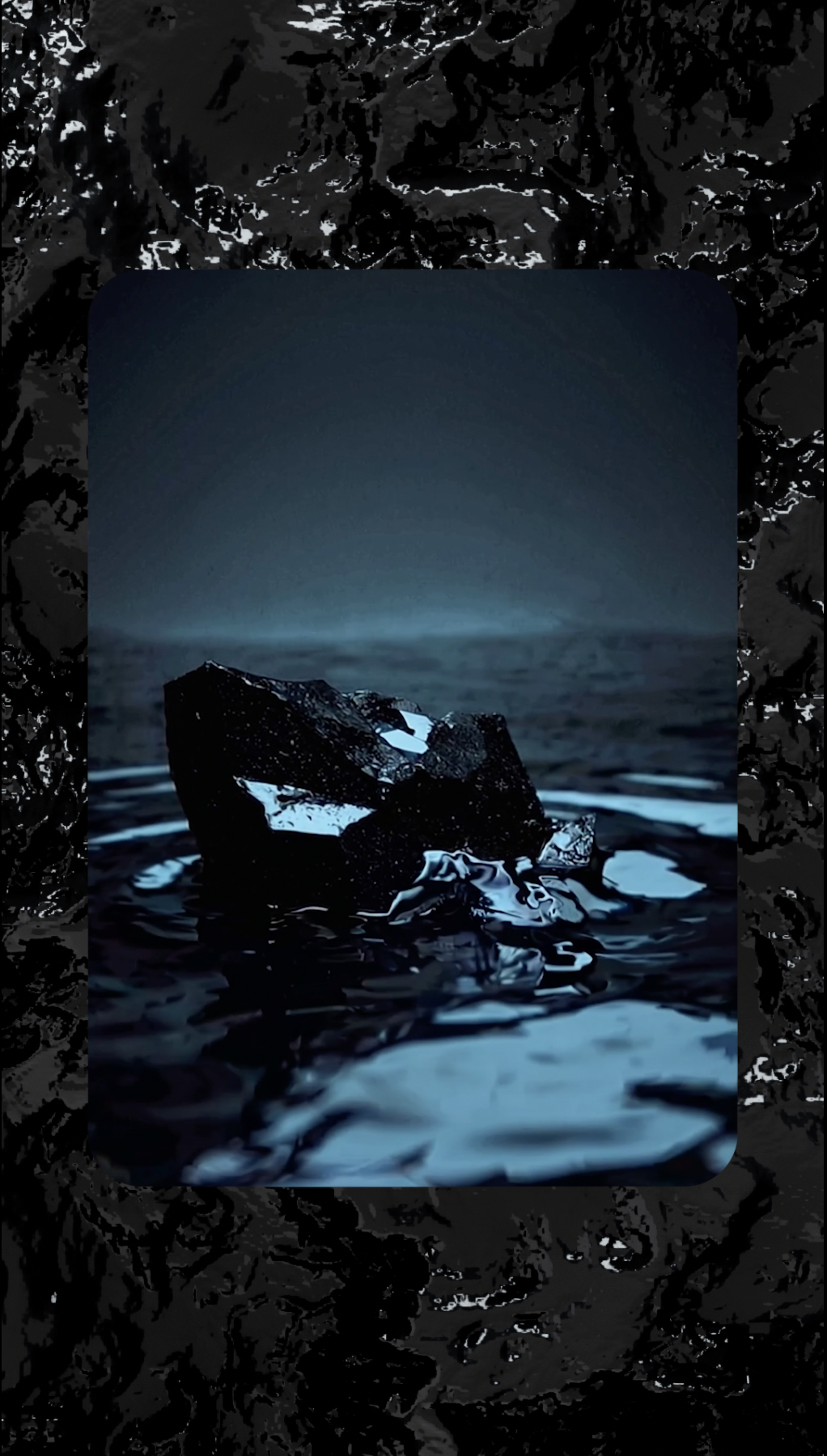


Tezcatl, The Ad. Video Stills. Gloria López Cleries and Zane Miller, 2025.
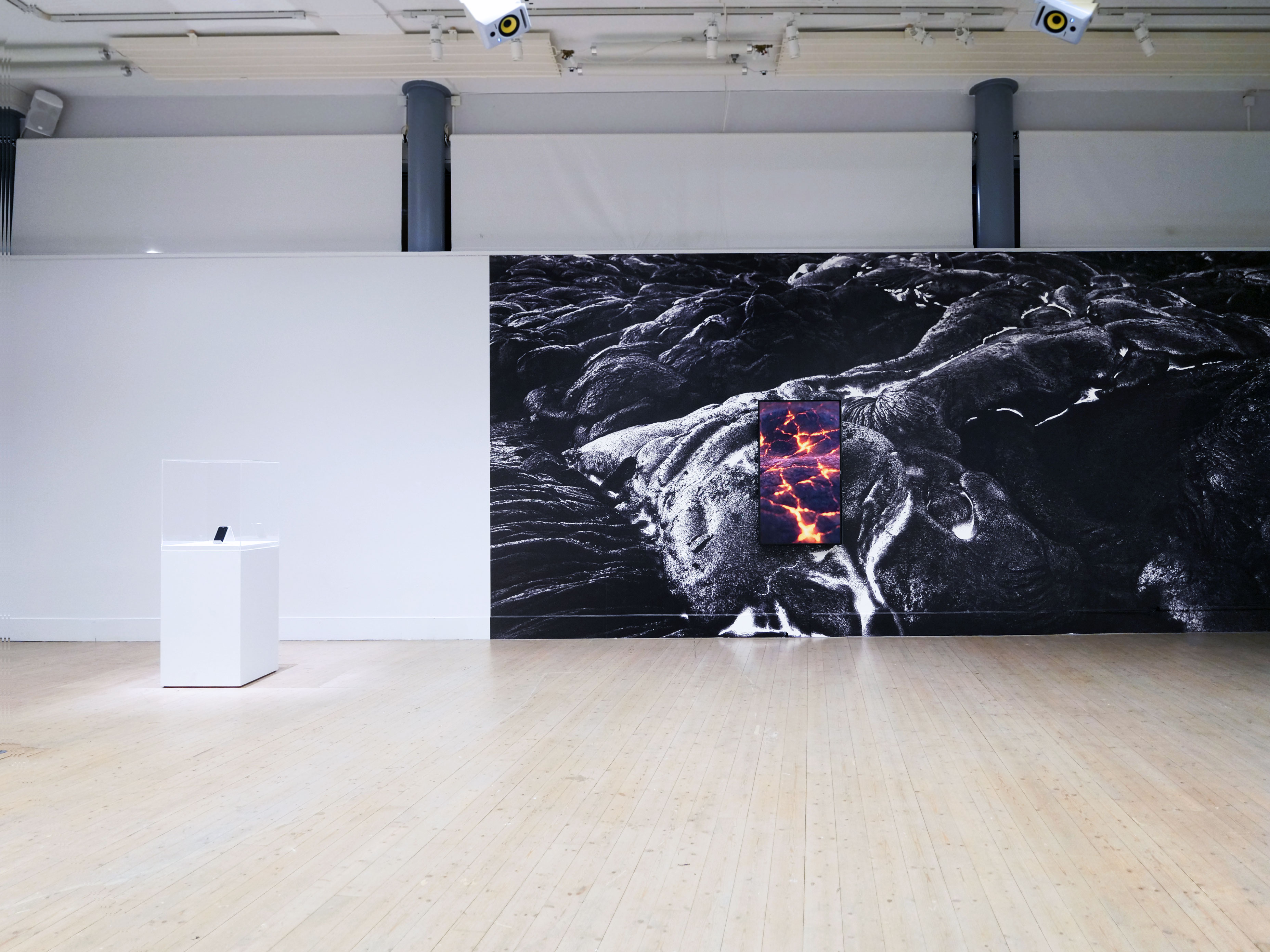
Sprikor i Taket, Luleå Konsthallen, 2025
2024 - 2025
Study circle and audio guide
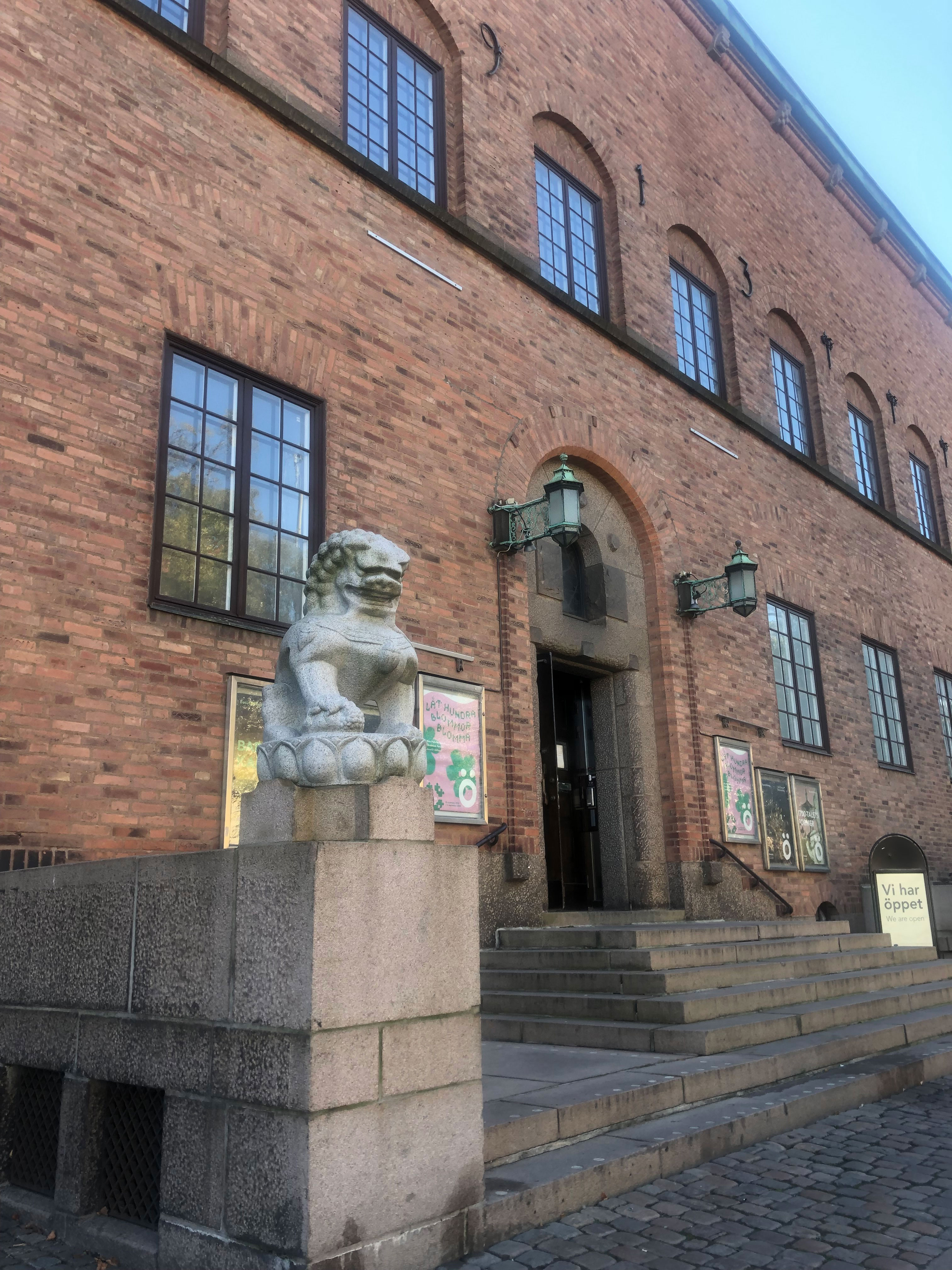
Museum Intervention at Design Stories, the permanent collection at Röhsska Museet, Gothenburg, Sweden.
In collaboration with the Embedded Desing Master Program, HDK-Valand
Credits:
Study Circle Facilitator: Gloria López Cleries
Participants: Xiujie Bi, Julia Borowska, Simone De Vivo Bernardi, Jouana El Khayat, Haymanot Fozzati, Matteo Guzzo, Samantha Hookway, Mills Dray, Romain Morelli, Clara Öhrfelt, Daniela Toledo Escárate, Kata Virág, Jingqi Zeng, Yiqiu Zhan
Design: Matteo Guzzo
Website: Clara Öhrfelt
Translation: Benjamin Wagner

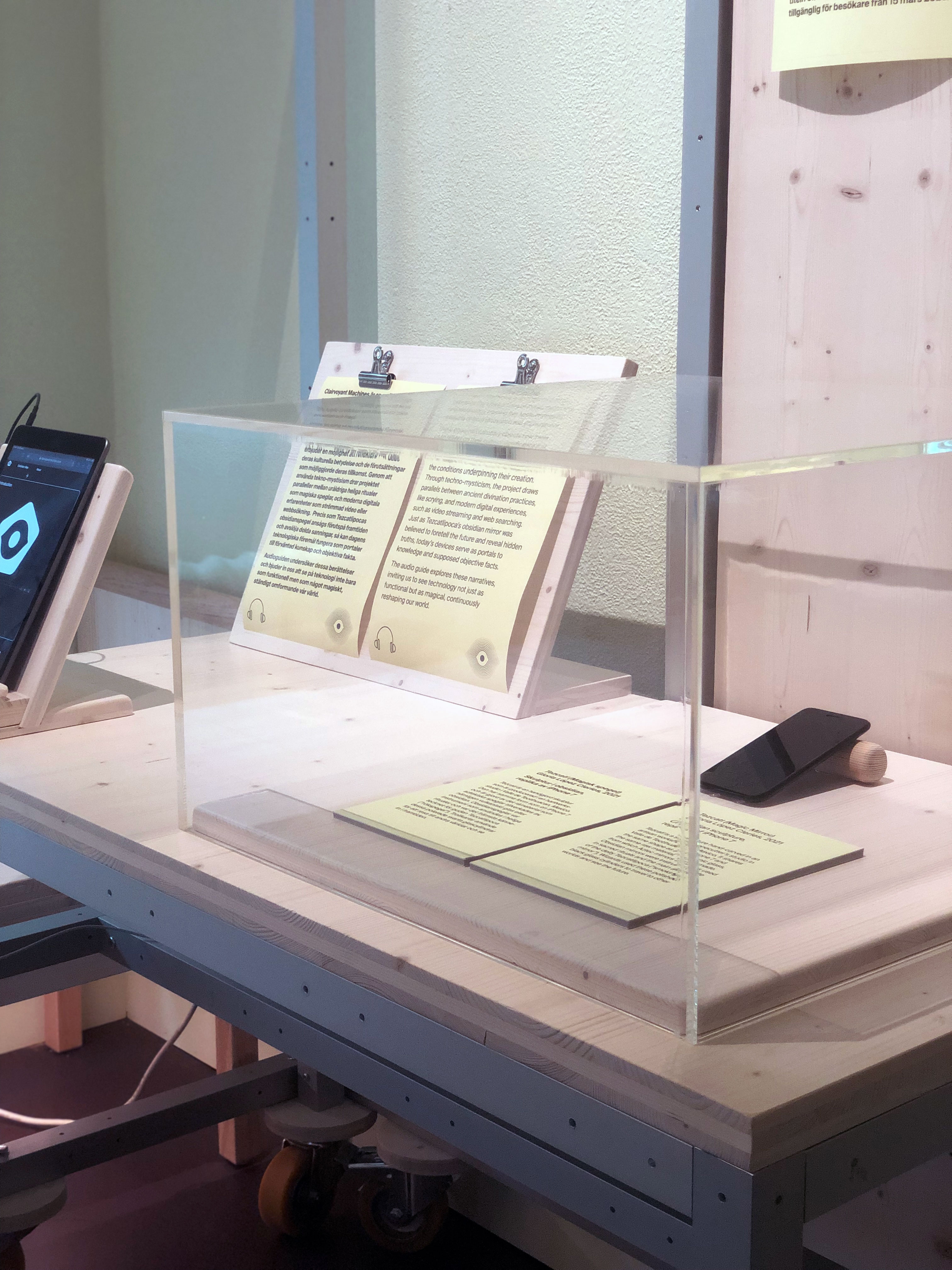

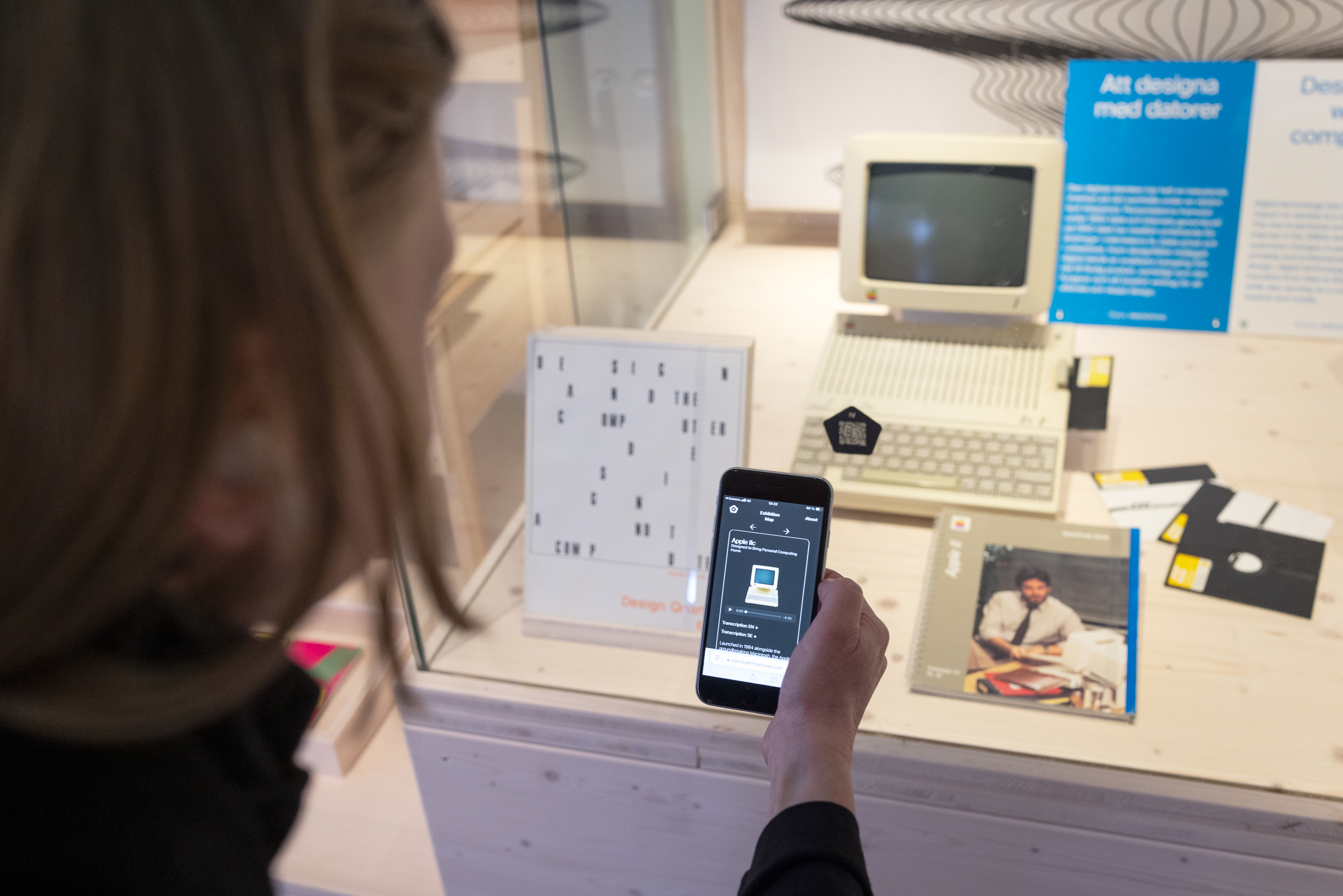
Clairvoyant Machines is the result of a study circle led by Gloria López Cleries, which took place at the Röhsska Museet (Museum of Design and Craft) in Gothenburg in collaboration with the Embedded Design Master Program at HDK-Valand between October 2024 and January 2025.
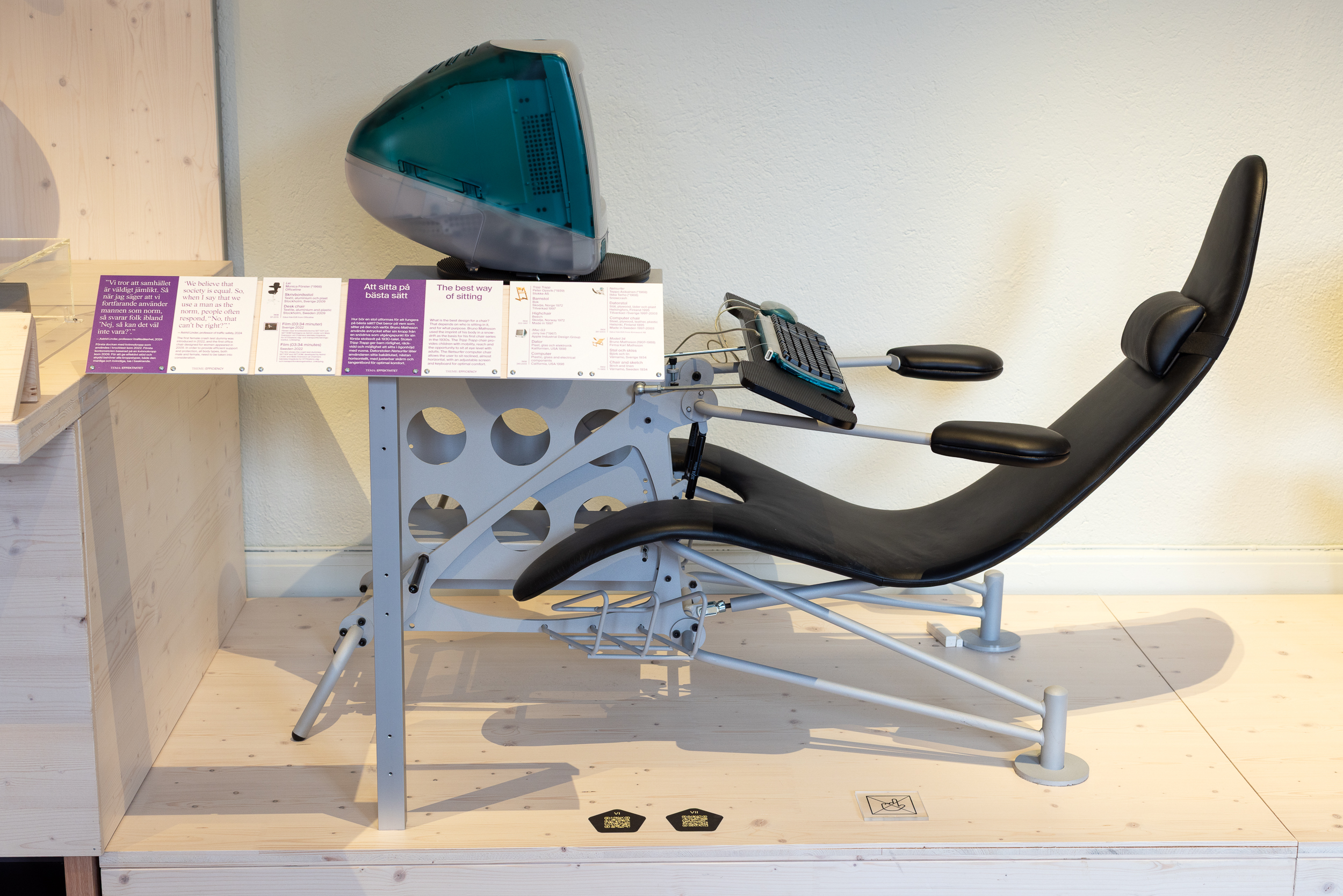
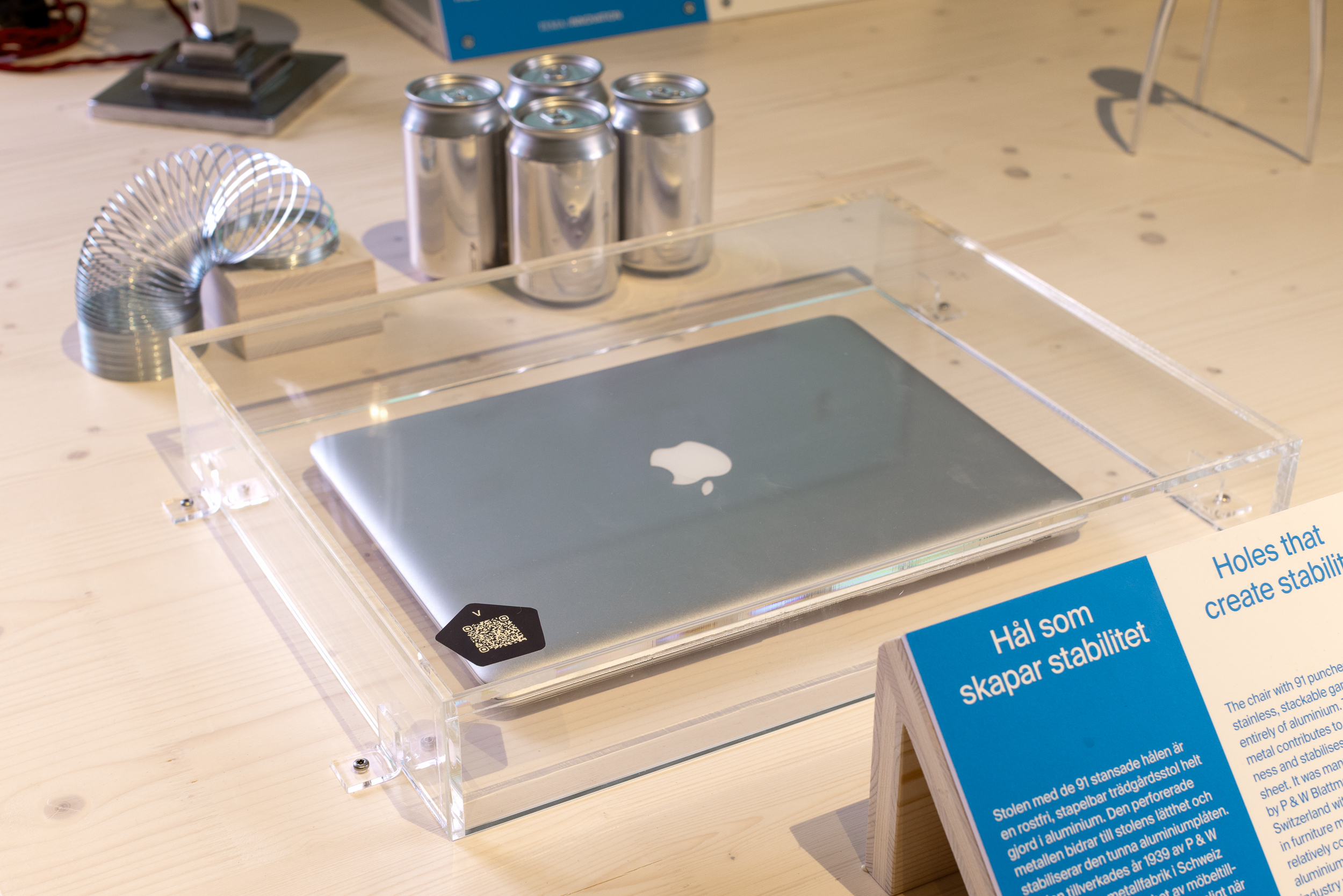
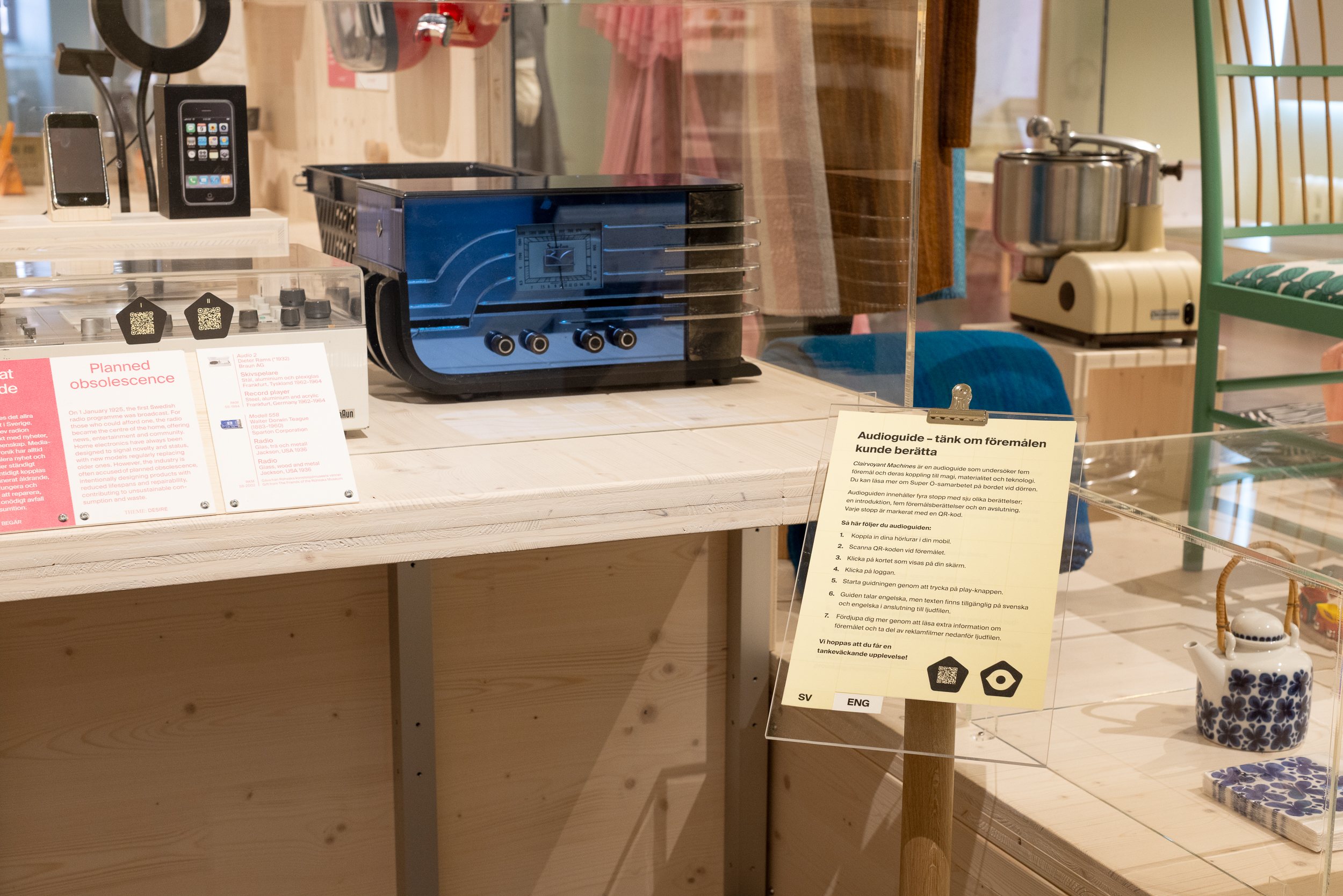
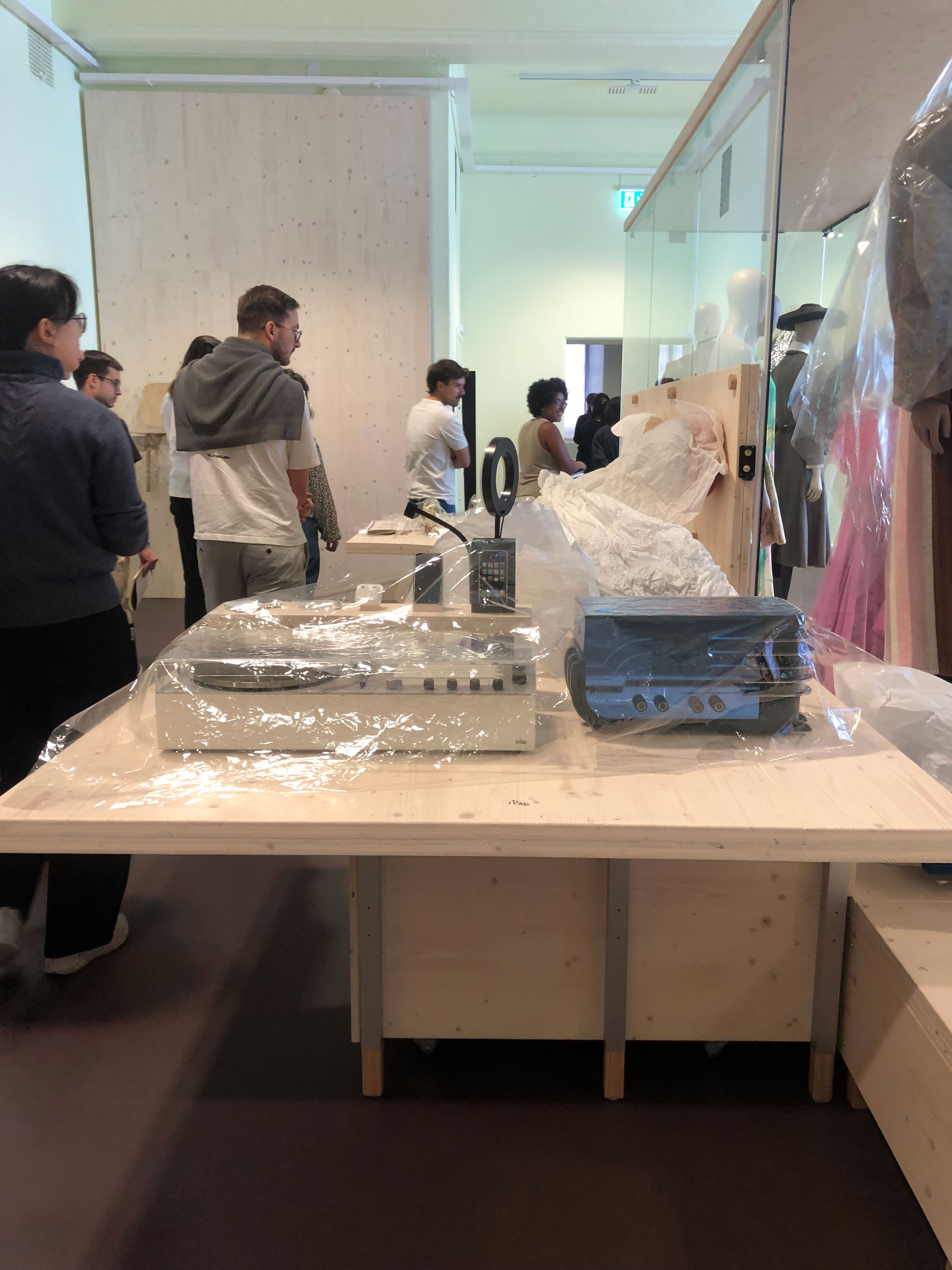
The audio guide departs from five technological objects from the Design Stories permanent collection, revealing fictional voices and imagined stories the objects might have told.
The Clairvoyant Machines audio guide explores the intersections of magic, materiality, and technology, framing five iconic Apple devices as artefacts of both innovation and enchantment. These once-revolutionary objects now invite us to reflect on their cultural significance and the conditions underpinning their creation.
The museum intervention explores the post-colonial perspective of techno-colonialism, examining how historical figures like John Dee appropriated the Mesoamerican material obsidian to create his scrying mirror. Dee's mirror, allegedly sourced from Pachuca, Mexico, serves as a metaphor for today's techno-material practices, where the allure of the final product and rapid mass production often overshadow their origins. And so, the devices in this audio guide reflect the tension between their material beginnings and their cultural impact. Each device is a “hyperbolic mirror”, reflecting technological progress and humanity's aspirations, fears, and ethical dilemmas. From the Apple IIc’s promise of portability to the iPhone's redefinition of communication, these objects exemplify how much we shape technology and how much it, in turn, shapes us.
Through the lens of techno-mysticism, we also investigate the parallels between ancient practices of divination, like scrying, and contemporary technological experiences, such as video streaming or web searching. Just as the Aztecs believed Tezcatlipoca's obsidian mirror to reveal human thoughts, today's devices serve as portals that connect us to vast networks of information and possibilities.
Texto: Daniela Toledo Escárate
The audio guide departs from five technological objects from the Design Stories permanent collection, revealing fictional voices and imagined stories the objects might have told.
The Clairvoyant Machines audio guide explores the intersections of magic, materiality, and technology, framing five iconic Apple devices as artefacts of both innovation and enchantment. These once-revolutionary objects now invite us to reflect on their cultural significance and the conditions underpinning their creation.
The museum intervention explores the post-colonial perspective of techno-colonialism, examining how historical figures like John Dee appropriated the Mesoamerican material obsidian to create his scrying mirror. Dee's mirror, allegedly sourced from Pachuca, Mexico, serves as a metaphor for today's techno-material practices, where the allure of the final product and rapid mass production often overshadow their origins. And so, the devices in this audio guide reflect the tension between their material beginnings and their cultural impact. Each device is a “hyperbolic mirror”, reflecting technological progress and humanity's aspirations, fears, and ethical dilemmas. From the Apple IIc’s promise of portability to the iPhone's redefinition of communication, these objects exemplify how much we shape technology and how much it, in turn, shapes us.
Through the lens of techno-mysticism, we also investigate the parallels between ancient practices of divination, like scrying, and contemporary technological experiences, such as video streaming or web searching. Just as the Aztecs believed Tezcatlipoca's obsidian mirror to reveal human thoughts, today's devices serve as portals that connect us to vast networks of information and possibilities.
Texto: Daniela Toledo Escárate
Máquinas Clarividentes es el resultado de un círculo de estudio dirigido por Gloria López Cleries, que tuvo lugar en el Röhsska Museet (Museo de Diseño y Artesanía) en Gotemburgo, en colaboración con el Programa de Maestría en Diseño Embebido de HDK-Valand, entre octubre de 2024 y enero de 2025.
La audio guía tiene como punto de partida cinco objetos tecnológicos de la colección permanente Design Stories, revelando voces ficticias e historias imaginadas que los objetos podrían haber contado.
La audio guía Máquinas Clarividentes explora las intersecciones entre magia, materialidad y tecnología, enmarcando cinco dispositivos icónicos de Apple como artefactos tanto de innovación como de encantamiento. Estos objetos, que en su momento fueron revolucionarios, nos invitan ahora a reflexionar sobre su significado cultural y las condiciones que sustentaron su creación.
La intervención museística explora la perspectiva poscolonial del tecno-colonialismo, examinando cómo figuras históricas como John Dee se apropiaron del material mesoamericano, la obsidiana, para crear su espejo de adivinación. El espejo de Dee, que supuestamente proviene de Pachuca, México, sirve como metáfora de las prácticas tecno-materiales actuales, donde el atractivo del producto final y la producción masiva rápida suelen oscurecer sus orígenes. Así, los dispositivos en estaaudio guía reflejan la tensión entre sus comienzos materiales y su impacto cultural. Cada dispositivo es un “espejo hiperbólico”, que refleja el progreso tecnológico y las aspiraciones, temores y dilemas éticos de la humanidad. Desde la promesa de portabilidad del Apple IIc hasta la redefinición de la comunicación por parte del iPhone, estos objetos ejemplifican cuánto moldeamos la tecnología y cuánto, a su vez, ella nos moldea a nosotros.
A través de la lente del tecno-misticismo, también investigamos los paralelismos entre las prácticas antiguas de adivinación, como la lectura con una bola de cristal, y las experiencias tecnológicas contemporáneas, como la transmisión de video o la búsqueda en la web. Así como los aztecas creían que el espejo de obsidiana de Tezcatlipoca revelaba los pensamientos humanos, los dispositivos de hoy sirven como portales que nos conectan a vastas redes de información y posibilidades.
La audio guía tiene como punto de partida cinco objetos tecnológicos de la colección permanente Design Stories, revelando voces ficticias e historias imaginadas que los objetos podrían haber contado.
La audio guía Máquinas Clarividentes explora las intersecciones entre magia, materialidad y tecnología, enmarcando cinco dispositivos icónicos de Apple como artefactos tanto de innovación como de encantamiento. Estos objetos, que en su momento fueron revolucionarios, nos invitan ahora a reflexionar sobre su significado cultural y las condiciones que sustentaron su creación.
La intervención museística explora la perspectiva poscolonial del tecno-colonialismo, examinando cómo figuras históricas como John Dee se apropiaron del material mesoamericano, la obsidiana, para crear su espejo de adivinación. El espejo de Dee, que supuestamente proviene de Pachuca, México, sirve como metáfora de las prácticas tecno-materiales actuales, donde el atractivo del producto final y la producción masiva rápida suelen oscurecer sus orígenes. Así, los dispositivos en estaaudio guía reflejan la tensión entre sus comienzos materiales y su impacto cultural. Cada dispositivo es un “espejo hiperbólico”, que refleja el progreso tecnológico y las aspiraciones, temores y dilemas éticos de la humanidad. Desde la promesa de portabilidad del Apple IIc hasta la redefinición de la comunicación por parte del iPhone, estos objetos ejemplifican cuánto moldeamos la tecnología y cuánto, a su vez, ella nos moldea a nosotros.
A través de la lente del tecno-misticismo, también investigamos los paralelismos entre las prácticas antiguas de adivinación, como la lectura con una bola de cristal, y las experiencias tecnológicas contemporáneas, como la transmisión de video o la búsqueda en la web. Así como los aztecas creían que el espejo de obsidiana de Tezcatlipoca revelaba los pensamientos humanos, los dispositivos de hoy sirven como portales que nos conectan a vastas redes de información y posibilidades.

Study Circle
Sep 2024-Mar 2025
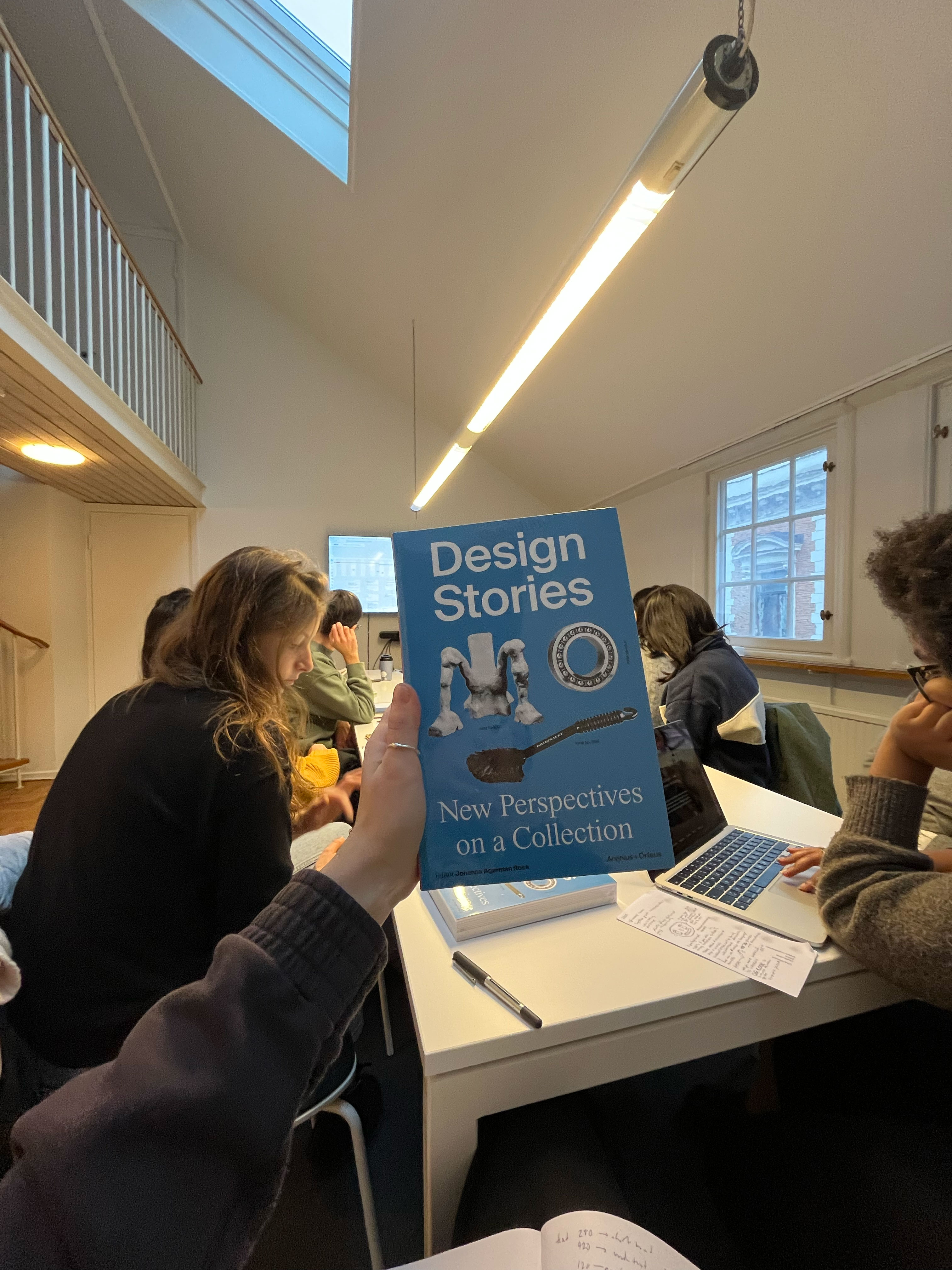
The project served as a learning platform for master’s design students. Before the exhibition officially opened, we worked closely with technicians, educators, and curators. This allowed them to see how exhibitions are made and to learn directly from the process of planning and designing the show’s content.
Over six sessions, the students developed critical perspectives on how exhibitions shape meaning and explored ways artistic research can challenge or expand museum narratives. The project ended with an artistic intervention in the permanent collection: an audio guide that offered new and speculative stories about selected artefacts. This guide encouraged visitors to see the objects not just as consumer products, but also as symbols connected to extraction, exploitation, and myth-making.
Sep 2024-Mar 2025
The project served as a learning platform for master’s design students. Before the exhibition officially opened, we worked closely with technicians, educators, and curators. This allowed them to see how exhibitions are made and to learn directly from the process of planning and designing the show’s content.
Over six sessions, the students developed critical perspectives on how exhibitions shape meaning and explored ways artistic research can challenge or expand museum narratives. The project ended with an artistic intervention in the permanent collection: an audio guide that offered new and speculative stories about selected artefacts. This guide encouraged visitors to see the objects not just as consumer products, but also as symbols connected to extraction, exploitation, and myth-making.
Circulo de estudio
Sep 2024-Mar 2025
El proyecto funcionó como una plataforma de aprendizaje para estudiantes de máster en diseño. Antes de la apertura oficial de la exposición, trabajamos en estrecha colaboración con técnicos, educadores y curadores. Esto les permitió conocer de primera mano cómo se construyen las exposiciones y aprender directamente del proceso de planificación y diseño del contenido.
A lo largo de seis sesiones, los estudiantes desarrollaron perspectivas críticas sobre cómo las exposiciones producen significado y exploraron formas en que la investigación artística puede cuestionar o ampliar los relatos institucionales del museo. El proyecto culminó con una intervención creativa en el museo: una audioguía que ofrecía relatos nuevos y especulativos sobre una selección de objetos. Esta guía invitaba a los visitantes a ver las piezas no solo como productos de consumo, sino también como símbolos vinculados a la extracción, la explotación y la construcción de mitos.
Sep 2024-Mar 2025
El proyecto funcionó como una plataforma de aprendizaje para estudiantes de máster en diseño. Antes de la apertura oficial de la exposición, trabajamos en estrecha colaboración con técnicos, educadores y curadores. Esto les permitió conocer de primera mano cómo se construyen las exposiciones y aprender directamente del proceso de planificación y diseño del contenido.
A lo largo de seis sesiones, los estudiantes desarrollaron perspectivas críticas sobre cómo las exposiciones producen significado y exploraron formas en que la investigación artística puede cuestionar o ampliar los relatos institucionales del museo. El proyecto culminó con una intervención creativa en el museo: una audioguía que ofrecía relatos nuevos y especulativos sobre una selección de objetos. Esta guía invitaba a los visitantes a ver las piezas no solo como productos de consumo, sino también como símbolos vinculados a la extracción, la explotación y la construcción de mitos.



The Website
The audio guide is presented in a website format and includes an introduction, five audio pieces corresponding to the five intervened objects, and a conclusion. The site was designed by Clara Öhrfelt with visual contributions by Matteo Guzzo, following a minimalist aesthetic inspired by Apple’s visual language.
Navigation is organised through a series of interactive cards that reveal each object or chapter of the project. Each card contains a short text about the object, the transcript of the script in English and Swedish, and the original commercials that served as a point of departure. The journey can be followed freely or in the proposed order, accompanied by the sound guide that shapes the experience of listening and reading. A map allows visitors to locate the objects within the exhibition space, where QR codes can also be scanned to access each section of the site directly.
Navigation is organised through a series of interactive cards that reveal each object or chapter of the project. Each card contains a short text about the object, the transcript of the script in English and Swedish, and the original commercials that served as a point of departure. The journey can be followed freely or in the proposed order, accompanied by the sound guide that shapes the experience of listening and reading. A map allows visitors to locate the objects within the exhibition space, where QR codes can also be scanned to access each section of the site directly.
La audio guía se presenta en formato de página web e incluye una introducción, cinco audios correspondientes a los cinco objetos intervenidos y una conclusión. El sitio fue diseñado por Clara Öhrfelt con aportes visuales de Matteo Guzzo, siguiendo una estética minimalista inspirada en el lenguaje visual de Apple.
La navegación se organiza a través de una serie de tarjetas interactivas que revelan cada uno de los objetos o capítulo del proyecto. En cada tarjeta se puede encontrar un breve texto sobre el objeto, la transcripción del guion en inglés y sueco, y los comerciales originales que sirvieron como punto de partida. El recorrido puede seguirse libremente o en el orden propuesto, acompañado por la guía sonora que orienta la experiencia de escucha y lectura. Un mapa permite localizar los objetos en el espacio expositivo, donde también se pueden escanear los códigos QR que enlazan directamente con cada sección del sitio.
La navegación se organiza a través de una serie de tarjetas interactivas que revelan cada uno de los objetos o capítulo del proyecto. En cada tarjeta se puede encontrar un breve texto sobre el objeto, la transcripción del guion en inglés y sueco, y los comerciales originales que sirvieron como punto de partida. El recorrido puede seguirse libremente o en el orden propuesto, acompañado por la guía sonora que orienta la experiencia de escucha y lectura. Un mapa permite localizar los objetos en el espacio expositivo, donde también se pueden escanear los códigos QR que enlazan directamente con cada sección del sitio.
Public Presentation
Super Ö - Röhsska Museet
15 march 2025
Website prensentation and conversation
We presented the project the 15th March 2025 in the Super Ö space at Röhsska Museet.
Event description:
People’s fascination with technology takes centre stage as five technological objects from the permanent Design Stories are explored. The result of the investigations is the audio guide, Clairvoyant Machines, created in collaboration with Gloria López Cleries and MA Embedded Design at HDK-Valand. The audio guide gives voice to imagined stories that the five objects might tell.
Clairvoyant Machines is presented in Super Ö, followed by an independent experience of the audio guide and a final conversation with a possibility to ask questions.
Event description:
People’s fascination with technology takes centre stage as five technological objects from the permanent Design Stories are explored. The result of the investigations is the audio guide, Clairvoyant Machines, created in collaboration with Gloria López Cleries and MA Embedded Design at HDK-Valand. The audio guide gives voice to imagined stories that the five objects might tell.
Clairvoyant Machines is presented in Super Ö, followed by an independent experience of the audio guide and a final conversation with a possibility to ask questions.
Presentamos el proyecto el 15 de marzo de 2025 en el espacio Super Ö del Museo Röhsska.
Descripción del evento:
La fascinación por la tecnología es la protagonista al explorar cinco objetos tecnológicos de la exposición permanente Historias del Diseño. El resultado de las investigaciones es la audioguía, Clairvoyant Machines, creada en colaboración con Gloria López Cleries y MA Embedded Design en HDK-Valand. La audioguía da voz a historias imaginarias que podrían contar los cinco objetos. Clairvoyant Machines se presenta en Super Ö, seguida de una experiencia independiente de la audioguía y una conversación final con posibilidad de hacer preguntas.
Descripción del evento:
La fascinación por la tecnología es la protagonista al explorar cinco objetos tecnológicos de la exposición permanente Historias del Diseño. El resultado de las investigaciones es la audioguía, Clairvoyant Machines, creada en colaboración con Gloria López Cleries y MA Embedded Design en HDK-Valand. La audioguía da voz a historias imaginarias que podrían contar los cinco objetos. Clairvoyant Machines se presenta en Super Ö, seguida de una experiencia independiente de la audioguía y una conversación final con posibilidad de hacer preguntas.
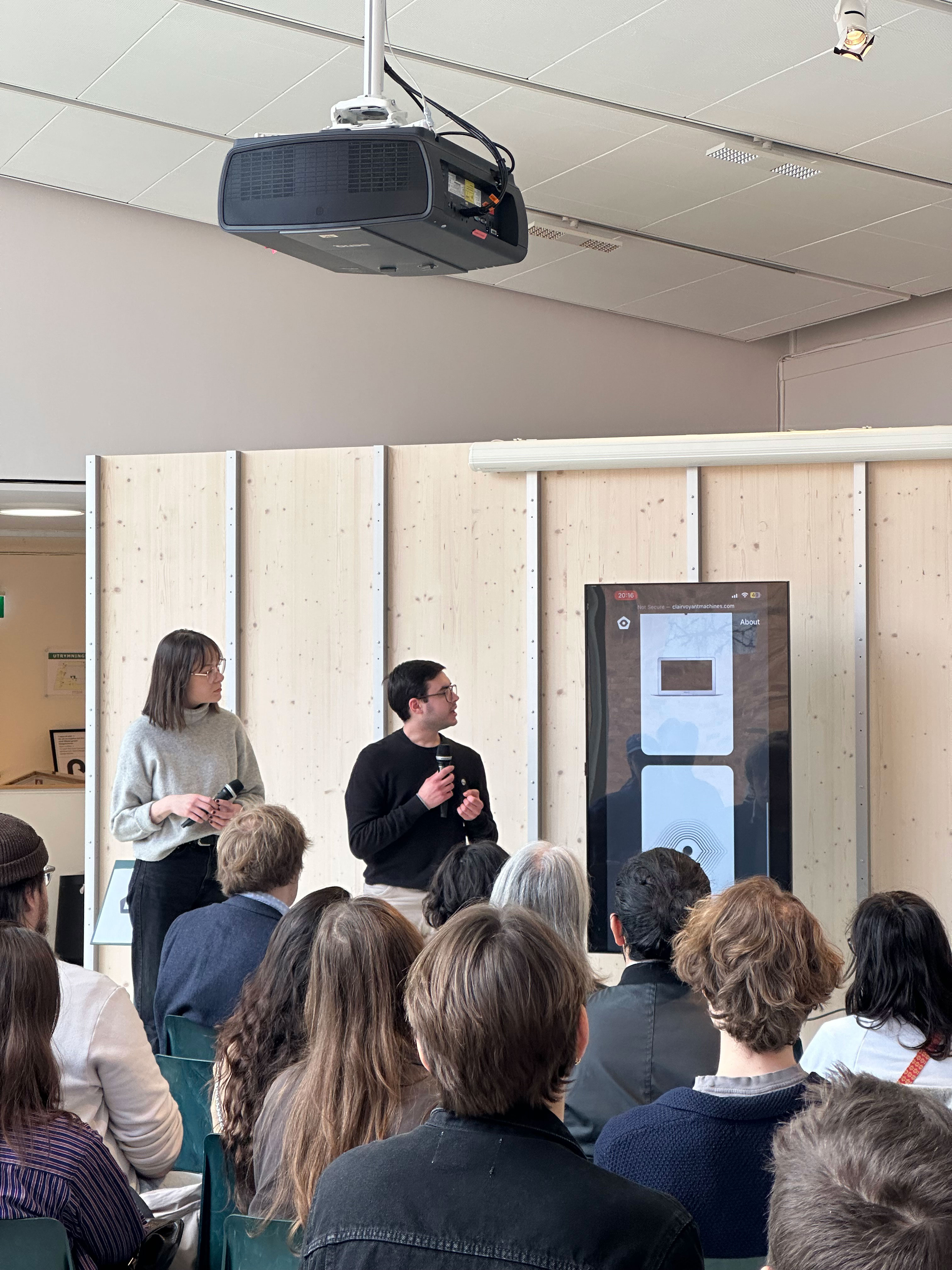


Clairvoyant Machines presentation, Super Ö, Röhsska Museet, 2025.
2024
Video Essay, color and sound, 19:32 min.
Spanish and English (Spanish subtitles)
Link Vimeo
Password/Contraseña: espejo
Link English script
Through this experimental video essay, I seek to define the concept of #PhoneScrying through a scrolling drift through differentsocial networks and content platforms on the internet. An off-voice, created with an artificial intelligence program, narrates their experience with divination through the screen of their mobile phone and their search to learn moreabout this viral method of technological clairvoyance.
A través de este videoensayo experimental, busco definir el concepto de #PhoneScrying a través de una deriva por diferentes redes sociales y plataformas de contenidos en internet. Una voz en off, creada con un programa de inteligencia artificial, narra su experiencia con la adivinación a través de la pantalla de su teléfono móvil y su búsqueda para saber más sobre este método viral de clarividencia tecnológica.


2021 - ongoing
Obsidian sculpture
iPhone 7 replica: 138.30 x 67.10 x 7.10 mm


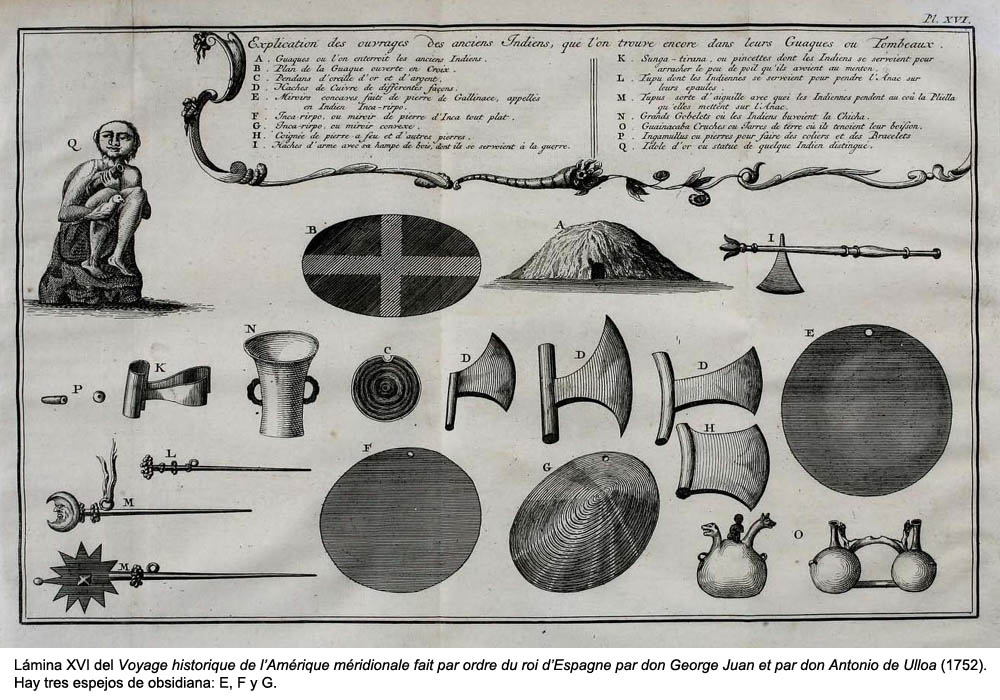
Tezcatl (Magic Mirror) is an obsidian sculpture hand-carved in an artisan workshop in Valle de Teotihuacan, Mexico. The sculpture shares the same design as an iPhone 7 and the same raw material that Aztec mirrors were made from, volcanic glass.
Obsidian mirrors, called Tezcatl in Náhuatl, were instruments used in sacred rituals and the main attribute of the deity Tezcatlipoca (smoking mirror). Wizards used these polished black glass cylinders to travel to other worlds and see the future.
Obsidian mirrors, called Tezcatl in Náhuatl, were instruments used in sacred rituals and the main attribute of the deity Tezcatlipoca (smoking mirror). Wizards used these polished black glass cylinders to travel to other worlds and see the future.
Tezcatl (Espejo mágico) es una escultura de obsidiana tallada a mano en un taller artesanal en el Valle de Teotihuacán, México. La escultura comparte el mismo diseño que un iPhone 7 y la misma materia prima con la que se realizaron los espejos aztecas, vidrio volcánico.
Los espejos de obsidiana, llamados Tezcatl en náhuatl, eran instrumentos utilizados en rituales sagrados y el principal atributo de la deidad Tezcatlipoca (espejo humeante). Los hechiceros usaban estos cilindros pulidos de vidrio negro para viajar a otros mundos y ver el futuro.
Los espejos de obsidiana, llamados Tezcatl en náhuatl, eran instrumentos utilizados en rituales sagrados y el principal atributo de la deidad Tezcatlipoca (espejo humeante). Los hechiceros usaban estos cilindros pulidos de vidrio negro para viajar a otros mundos y ver el futuro.
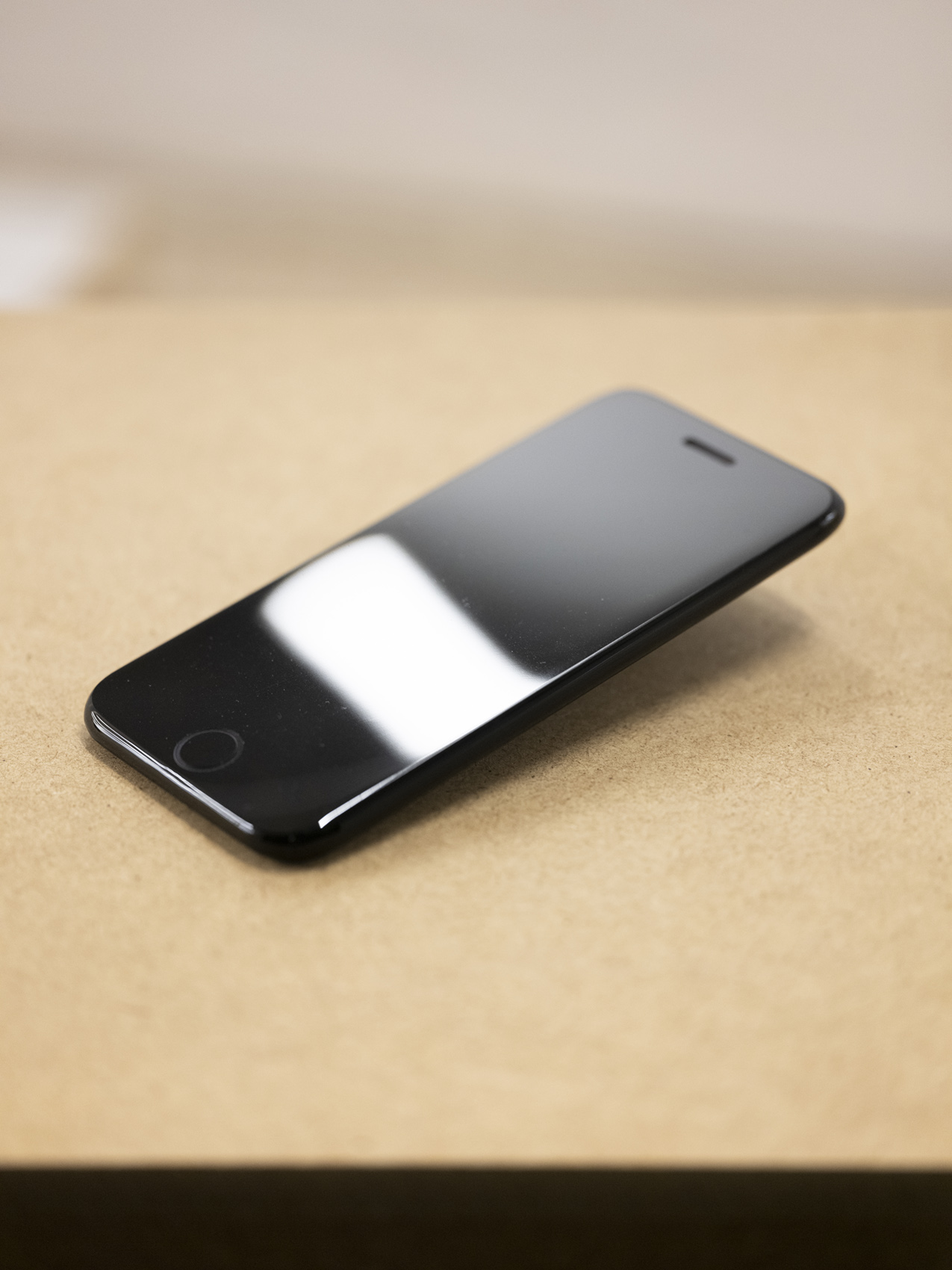
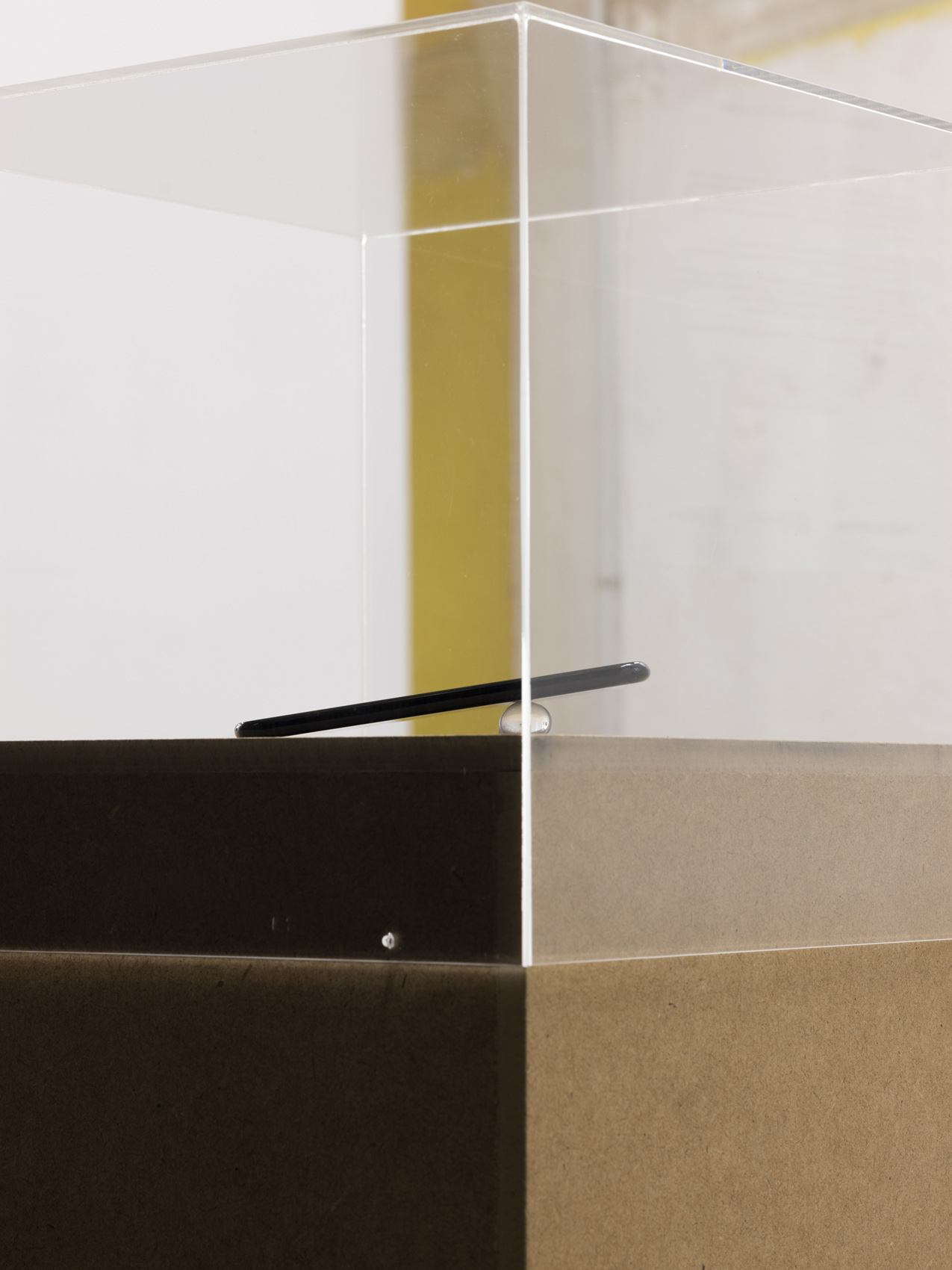
Audiovisual documentation - Tezcatl (Magic Mirror).
Gloria López Cleries 2021
00:00 Documentation of the obsidian extraction process at the geological site located at the western end of the town of Magdalena in the state of Jalisco, Mexico.
01:16 Documentation of the carving and polishing processes of the sculpture by hand of the master craftsman José Enrique Gerardo Cuevas Nájera at Taller de Obsidiana located in San Martín de las Pirámides, Teotihuacán Valley, state of Mexico.
Gloria López Cleries 2021
00:00 Documentation of the obsidian extraction process at the geological site located at the western end of the town of Magdalena in the state of Jalisco, Mexico.
01:16 Documentation of the carving and polishing processes of the sculpture by hand of the master craftsman José Enrique Gerardo Cuevas Nájera at Taller de Obsidiana located in San Martín de las Pirámides, Teotihuacán Valley, state of Mexico.
Documentación audiovisual - Tezcatl (Espejo mágico)
Gloria López Cleries 2021
00:00 Documentación del proceso de extracción de obsidiana en el yacimiento geológico ubicado en el extremo occidental del poblado de Magdalena en el estado de Jalisco, México.
01:16 Documentación de los procesos de tallado y pulido de la escultura a mano del maestro artesano José Enrique Gerardo Cuevas Nájera en el Taller de Obsidiana situado en San Martín de las Pirámides, Valle de Teotihuacán, estado de México.
Gloria López Cleries 2021
00:00 Documentación del proceso de extracción de obsidiana en el yacimiento geológico ubicado en el extremo occidental del poblado de Magdalena en el estado de Jalisco, México.
01:16 Documentación de los procesos de tallado y pulido de la escultura a mano del maestro artesano José Enrique Gerardo Cuevas Nájera en el Taller de Obsidiana situado en San Martín de las Pirámides, Valle de Teotihuacán, estado de México.